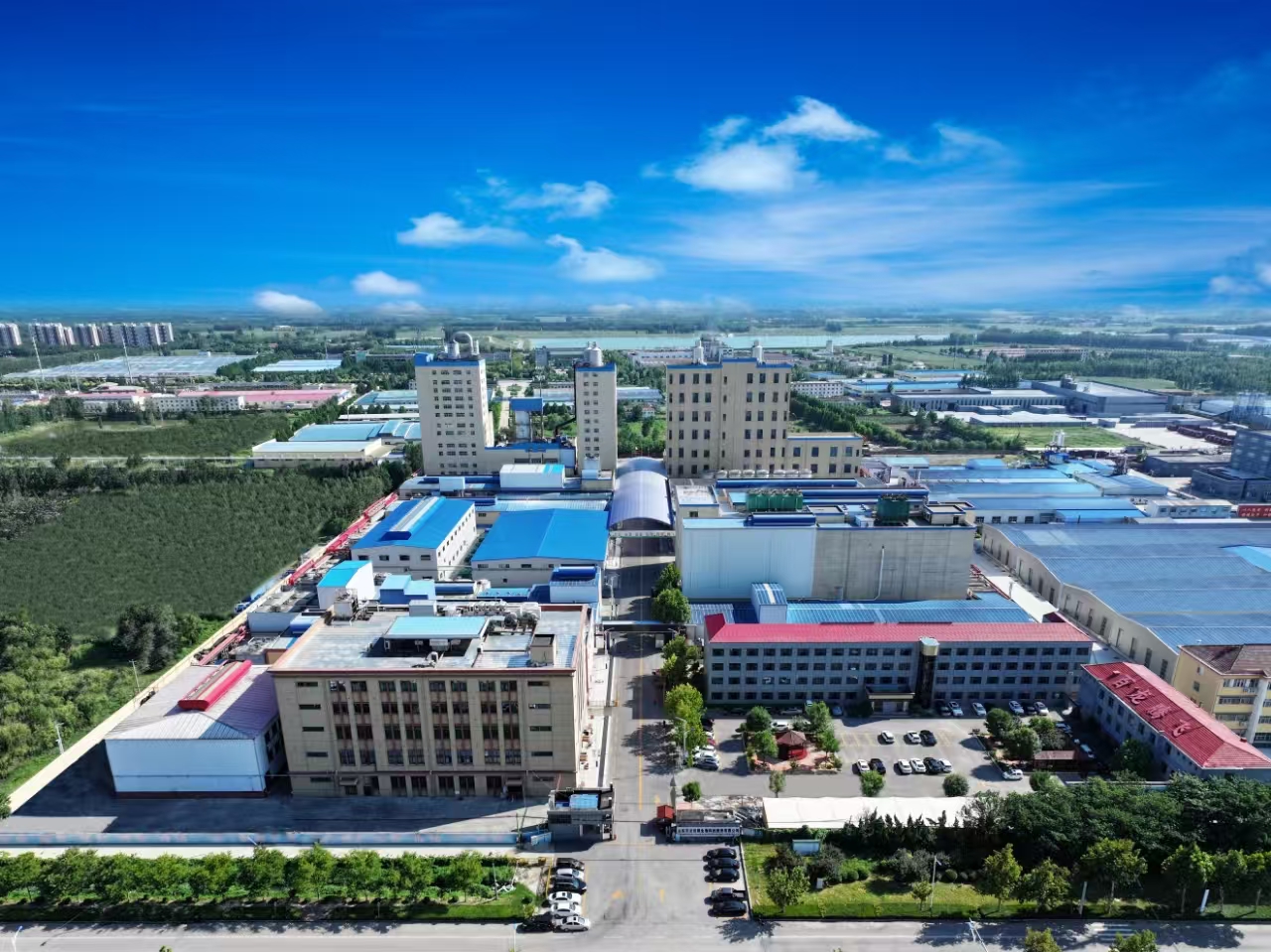
In terms of product mix, natural sweeteners (e.g.: Resistant Dextrin, Polydextrose, FOS, IMO, GOS, Crystalline Fructose and etc.) increased their share from 22% in 2020 to 37% in 2025, with steviol glycosides and mogrosides posting CAGR of 14.2% and 18.7%, respectively. Meanwhile, artificial sweeteners such as aspartame and acesulfame K saw their shares contract by 3–5 percentage points, reflecting how consumer preference for "clean-label" products is reshaping the supply landscape.
Consumer behavior surveys show that in 2025, 73.6% of respondents proactively checked the types of sweeteners listed on ingredient labels when purchasing packaged foods, up 21 percentage points from 2022. Distribution channels have shown divergent trends: sales growth of sweetener-containing end-products in traditional supermarkets was only 4.1%, while emerging channels such as community group-buying and livestream e-commerce grew at a robust 26.8%, accounting for over 19% of total retail sales. In the foodservice sector, ready-to-drink tea and coffee chain brands increased their procurement of natural sweeteners by 31.2% year-on-year in 2025, driving the B2B supply system toward customization, small-batch production, and higher purity levels. At the same time, cost pressures are taking effect — raw material prices for natural sweeteners rose 12–15% year-on-year in 2025 due to climate conditions and planting area fluctuations, forcing companies to reduce production costs through technological pathways such as enzymatic conversion and fermentation-based alternatives.
On the policy front, China, the European Union, and several Southeast Asian countries intensively updated their food additive usage standards during 2024–2025. In March 2025, China's National Health Commission issued a new version of national food safety standards, which refined the maximum usage levels of novel sweeteners such as erythritol and allulose in beverages and dairy products, while also mandating separate labeling of "added sugars" and "sweeteners" on product packaging. The EU, starting in 2025, tightened the acceptable daily intake (ADI) for certain artificial sweeteners by 15–25%, directly affecting the export strategies of related manufacturers targeting the European market. In Southeast Asia, the implementation of sugar taxes in Thailand, Indonesia, and the Philippines spurred localized production capacity for low-sugar and sugar-substitute products in the region.
In the patent and technology domain, a clear trend toward "naturalization" and "biosynthesis" has emerged. As of the first quarter of 2026, among active global sweetener-related patents, 41% involve recrystallization and purification of steviol glycosides, enzymatic synthesis of rare sugars, and microbial fermentation for mogroside production. Chinese applicants accounted for 56% of the total global patent count in these fields. Among patents published in 2025, 34 were directly related to improvements in the industrial-scale production process of allulose, with single-batch conversion rates increasing from 65% to 82%. These technological breakthroughs are propelling domestic Chinese sweetener companies to shift from "raw material contract manufacturing" to "technology-plus-brand" players in the global supply chain.
At the business and innovation level, leading companies are transitioning from single-ingredient suppliers to "solution providers." In 2025, the industry saw seven joint R&D agreements involving "sweetener plus functional ingredients," covering compound formulations with dietary fiber, vitamins, prebiotics, and more. OEM/ODM service revenue accounted for over 30% of total revenue among leading sweetener companies for the first time. Some companies launched "7-day custom formulation" services for small and medium-sized brand clients, significantly shortening new product launch cycles. Additionally, pilot applications of blockchain traceability in sweetener raw-material supply chains covered approximately 120,000 mu (about 8,000 hectares) of planting bases in China's Yunnan and Guangxi regions in 2025, enhancing traceability for export products.
In terms of trade and import/export, China's total sweetener exports reached 673,000 metric tons in 2025, up 11.2% year-on-year. High-intensity sweeteners (neotame, sucralose) accounted for 36% of export value, though their unit export price fell 3.8% year-on-year, reflecting intensified global market competition. On the import side, the trend was characterized by "high-end raw material sourcing": imports of natural sweetener intermediates from Southeast Asia by domestic enterprises grew 42.1% in value in 2025, primarily for further value-added processing. The impact of U.S.-China trade friction on sweetener tariffs eased in 2025, with tariffs on certain categories exported to the U.S. reduced to 5.2%, driving export volumes to the U.S. back up to 197,000 metric tons. Although the EU's Carbon Border Adjustment Mechanism (CBAM) pilot phase did not directly include sweeteners, major producers have already begun preparing carbon footprint accounting systems.
On the strategic development front, the industry is focusing on three main tracks: upstream — globalized planting and risk hedging of raw materials; midstream — cost reduction and efficiency improvement (particularly the large-scale application of continuous chromatographic separation and membrane filtration technologies); and downstream — vertical deep-diving into application scenarios (pharmaceuticals, daily chemicals, pet food, and other non-traditional sectors). During 2025–2026, multiple companies have launched pilot-scale production lines based on synthetic biology approaches, aiming to achieve cell-factory mass production of certain rare sweeteners by 2028, which could fundamentally reshape the industry's cost curve. In terms of regional competition, Chinese companies, leveraging scale advantages and rapid iteration capabilities, increased their global market share in natural sweeteners from 29% in 2020 to 44% in 2025. However, with emerging producing regions in India and South America on the rise, maintaining technological moats remains a critical challenge.