

From a technological perspective, bioconversion and enzymatic production technologies achieved significant breakthroughs during 2025–2026. Manufacturing costs for products such as erythritol and allulose declined by 15%–20%, enabling these ingredients to expand beyond premium health products into mainstream food applications. Third-generation natural sweeteners, represented by steviol glycosides (Reb M and Reb D), have achieved commercial-scale production through precision fermentation. Global production capacity reached 18,000 metric tons in 2025 and is expected to exceed 25,000 metric tons in 2026. In contrast, conventional high-intensity sweeteners such as aspartame and acesulfame potassium (Ace-K) experienced slower market growth—below 3%—due to regulatory adjustments in several regions.
China's regulatory landscape also experienced notable changes during 2025–2026. At the end of 2025, the National Health Commission issued an updated Food Additive Usage Standard, expanding the approved applications and usage limits for 11 natural sweeteners, while lowering the maximum permitted levels for certain synthetic sweeteners. The policy change immediately stimulated demand, with China's imports of natural sweeteners increasing 24% year-on-year in the first quarter of 2026. Domestic manufacturers have accelerated investments in fermentation-based production facilities. Meanwhile, Europe implemented stricter sugar tax policies across 30 countries and regions in 2025, prompting food manufacturers to incorporate sweetener substitution strategies into their supply chain management.
Regionally, the Asia-Pacific market accounted for 48% of global sweetener consumption in 2025, with China, India, and Southeast Asia serving as the primary growth engines. North America maintained the highest penetration rate of natural sweeteners at 35%, although market growth has begun to moderate. In Europe, policy-driven demand is expected to support approximately 9% growth in natural sweetener consumption in 2026. Latin America and Africa continue to rely primarily on cost-effective synthetic sweeteners; however, ongoing adjustments in the healthy food sectors of countries such as Brazil and Mexico have begun generating demand for premium sweetener solutions during 2025–2026.
On the supply side, global sweetener production capacity reached 4.2 million metric tons in 2025, with the top ten manufacturers collectively accounting for approximately 58% of the market, reflecting increasing industry concentration. Chinese manufacturers have secured more than 70% of global production capacity in both erythritol and steviol glycosides through economies of scale and cost competitiveness. During the first quarter of 2026, fluctuations in raw material prices and stricter environmental inspections reduced the operating rate of smaller producers to approximately 60%, accelerating industry consolidation. Innovation also remained active, with more than 3,200 global patent applications related to sweeteners filed during 2025–2026, primarily focusing on formulation technologies, taste optimization, and stability enhancement.
International trade also demonstrated significant momentum in 2025. China's total sweetener exports reached 680,000 metric tons, representing a 12% year-on-year increase, while exports to the European Union recorded the fastest growth at 18%. Imports were mainly concentrated in premium natural sweetener ingredients and licensed proprietary technologies, with total import value rising 31% year-on-year. According to GEP Research based on China Customs data, the average import price of steviol glycosides fell to USD 58 per kilogram in 2025, down 7% from 2024, indicating intensifying global competition. In the first quarter of 2026, ASEAN countries emerged as new regional hubs for sweetener intermediate transshipment, with transit volumes through Malaysia and Thailand increasing 25% year-on-year.
Business models across the industry continued to evolve rapidly during 2025–2026. Traditional sweetener manufacturers are transforming from raw material suppliers into integrated solution providers offering ingredients, formulations, and application support. Among leading companies, research and development expenditures have generally increased to 8%–10% of total revenue. Downstream food manufacturers increasingly favor long-term supply agreements to stabilize procurement costs, with long-term contracts covering approximately 45% of industry transactions in 2025. Digital procurement has also gained momentum, as B2B e-commerce platforms accounted for 18% of sweetener transactions by 2026—double the level recorded in 2023. Looking ahead, the global sweetener industry is expected to maintain a compound annual growth rate (CAGR) of 7%–9% between 2026 and 2030, with natural sweeteners projected to account for over 40% of the market by 2030.
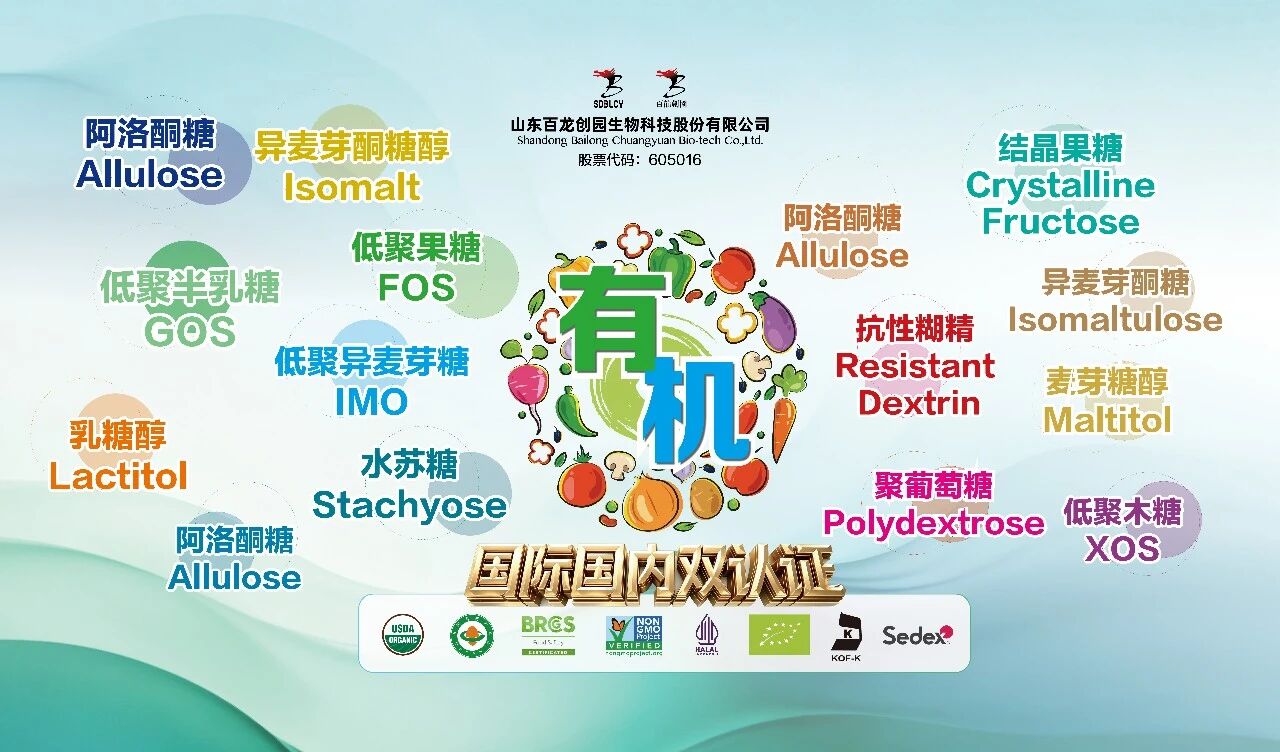
Allulose,Resistant Dextrin, Polydextrose, FOS, IMO and etc.